

Draper’s DragonflEye Cyber Bug Takes Flight: Mind-Controlled Dragonflies
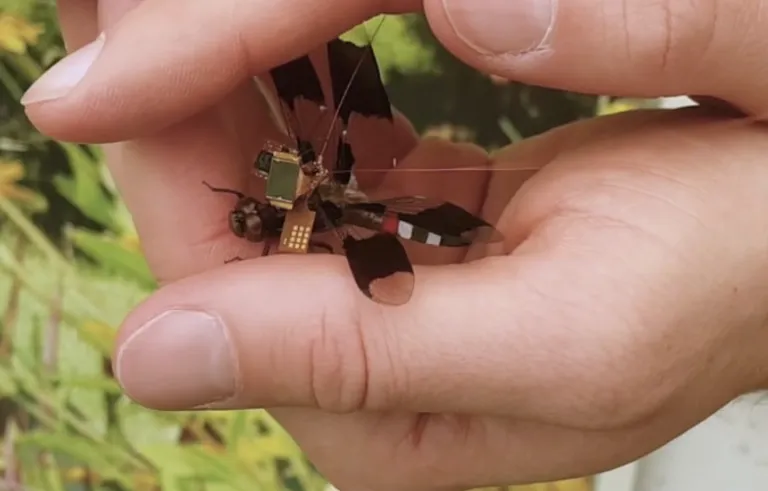
Draper’s DragonflEye project, which aims to control living insects remotely, has taken a significant step forward. The R&D firm has released a video of a modified dragonfly taking flight, demonstrating the progress made in this groundbreaking technology.
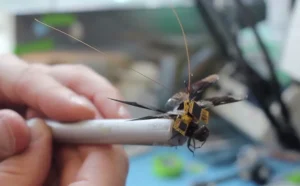
The project utilizes optogenetics, a technique that involves infusing certain parts of the insect’s anatomy with light-sensitive materials. These materials respond to specific wavelengths of light, allowing researchers to control the insect’s movements remotely. This method offers a more subtle and precise approach to controlling the dragonfly compared to traditional methods like artificial wing activation or simply directing the insect’s flight path.
The DragonflEye team has focused on developing core technologies such as a lightweight backpack, optrodes, and a synthetic biology toolkit for the dragonfly. Their second year of research has seen them equip dragonflies with first-generation backpacks and utilize a motion capture room to monitor their precise flight movements. This has allowed them to develop precise onboard tracking algorithms for autonomous navigation.

While the current video shows a basic version of the technology, the team plans to implement optical stimulation from the backpack to trigger specific flight behaviors, ultimately achieving autonomous flight control. Draper’s team anticipates releasing a lighter, more effective mind control backpack in the near future.
This research holds immense potential for various applications, from surveillance to environmental monitoring and even search and rescue operations. The development of DragonflEye is a testament to the burgeoning field of bio-robotics and its potential to revolutionize how we interact with the world around us.