


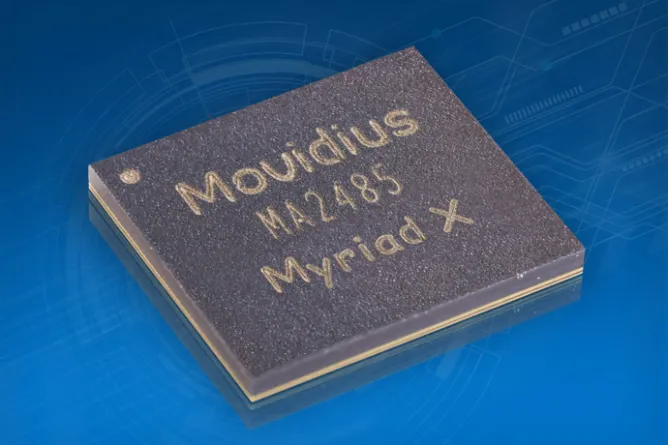
Intel Movidius Myriad X: A Computer Vision Chip with Serious Brains
Intel is celebrating the one-year anniversary of its Movidius acquisition by showcasing the Myriad X, a powerful new chip designed for computer vision applications. This chip boasts significant upgrades over its predecessor, the Myriad 2, featuring a redesigned architecture and enhanced deep learning capabilities through its innovative Neural Compute Engine.
The Myriad X empowers devices to interpret information from their surroundings more efficiently. As explained by Intel Movidius executive Remi El-Ouazzane in a blog post, “With this faster, more pervasive intelligence embedded directly into devices, the potential to make our world safer, more productive and more personal is limitless.”
Intel intends to leverage the Movidius Myriad chips in diverse applications, including drones, VR/AR headsets, robotics, and smart cameras. The chip’s low-power design allows these devices to focus processing power on object identification and rapid environmental change detection.

The Myriad X surpasses its predecessor in performance, achieving 4 trillion operations per second compared to the Myriad 2’s 1 to 1.5 trillion operations per second. This increased processing capability enables smart video cameras equipped with the chip to perform complex tasks, such as identifying a person’s gender or age, beyond merely detecting their presence.
The Neural Compute Engine facilitates advanced image processing on the device itself. The AI-optimized VPU (visual processing unit) underscores the expanded ambitions of Movidius following the Intel acquisition, particularly in the area of AI and deep learning integration into computer vision SoCs.
While the previous generation Myriad 2 chip remains a vital component of Intel’s visual processing portfolio, the Myriad X is undoubtedly a more expensive option for device manufacturers, though Intel declined to disclose pricing details.