


Google-Funded “Super Sensor” Project Aims to Make Dumb Appliances Smart
The world of “smart homes” often feels contradictory. We’re bombarded with promises of seamless connectivity and automation, but the reality is often clunky, expensive, and privacy-invasive. The typical approach involves either replacing perfectly functional appliances with expensive smart versions, or cluttering our homes with individual sensors.
The team at CMU’s Future Interfaces Group is tackling this problem with a novel solution – the “super sensor.” This single, custom sensor board, packed with multiple sensors and powered by machine learning, can identify a wide range of activities within a room, including appliances being turned on, cupboard doors being opened, and even the flush of a toilet.
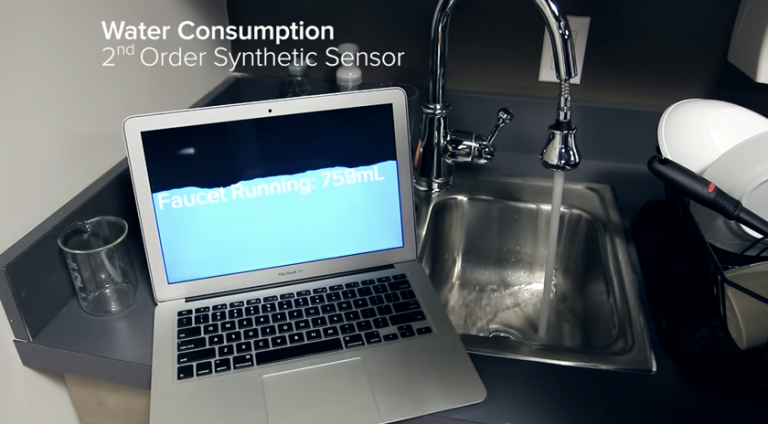
The super sensor eliminates the need for individual sensors on every appliance, simplifying the smart home experience and enhancing privacy. It can also infer secondary information, such as calculating water usage based on the duration of a running faucet or monitoring the use of appliances to predict when they may require maintenance.

This project, funded by Google, is part of a larger effort to create an open ecosystem for connected devices, prioritizing usability, privacy, and interoperability. The super sensor’s potential applications extend beyond the home, with possible applications in office spaces, public bathrooms, and industrial settings.