

How Google Can Fire Up Its Smart Home Play
Google is trying to catch up with Amazon in the smart home arena. This article lays out some strategic moves Google could make to improve its smart home play.
- Leverage Nest to spread the Assistant gospel: Google owns Nest. Why not use it to spread the Assistant gospel? Like Amazon’s recent partnership with Ecobee, Nest products are a no-brainer for Assistant integration — and not just third-party actions. Build the Assistant directly into the product. Google has been making similar moves with its TV and Android Wear offerings, but adding a mic array directly into the thermostat or smoke alarm would be a simple way to place Assistant into even more homes without having to sell individual Home units.
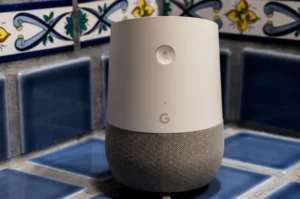
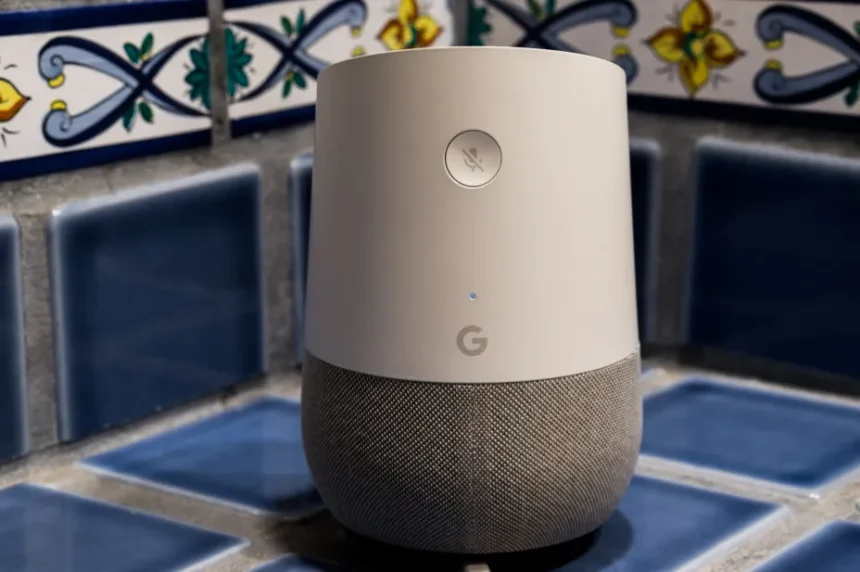
- Make a smaller, cheaper Home: Another no-brainer. A Google Home Dot, if you will. We’ve heard rumblings that such a device is in development for a fall launch. Without much to distinguish Assistant on the back end at the moment, Google is going to have to keep its pricing competitive. It’s a hard game to play for Google, for whom hardware is often a loss leader, but if it wants to lock users into Assistant fast, it’s going to have to offer something at around the $50 price point just to level with Amazon’s pricing.
- Bundles: Better still, find a way to offer Google Home for free. For example: a Pixel/Home bundle. We’ve also heard Google is plotting along these lines. Granted, by most accounts, the Pixel hasn’t been a runaway hit (in terms of sales figures), but tossing in a free Home Dot could sweeten the deal and drive momentum to both Google hardware divisions. The competition has also been offering similar bundles for a while, such as Samsung with the Galaxy S8, which threw in a free Gear VR. Bundling is also a great way to prime the pump — by, in this instance, getting a still by-no-means mainstream device into the living rooms of people who wouldn’t buy a Home on its own merits — and may not even have come across such a device yet.
- Push for third-party integration: We’re starting to see third parties offering up full Alexa functionality on their products, which has the potential to profoundly expand Amazon’s smart assistant’s reach. Let’s be real, that isn’t happening any time soon via Android Wear. Apple won the wearables category (at least for now). So be proactive, Google. There’s an important lesson to be learned from Amazon’s work with Conexant to create a mic system development kit that makes it easier for companies to prototype and,