


Disney Experiments to Make Robot Interactions More Natural for Kids
Disney Research is exploring ways to make robot interactions more natural for children, with a focus on improving conversational abilities and understanding. The goal is to create robots that can interact with kids in a way that is both engaging and beneficial.
The research involved three studies focusing on different aspects of child-robot interaction. In one study, children participated in collaborative storytelling with a robot named Piper. The study found that younger kids struggled with contextual additions to the story, indicating the need for robots to be sensitive to the child’s age and understanding.
Another study investigated the effects of accurate program response times and repetition in interactive television programming for children. The research found that waiting for a child’s response and prompting them to answer again increased response rates.
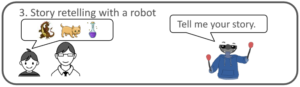

The final study involved a robot asking children about their experiences with a game. The findings showed that older kids preferred and responded better to robots that remembered previous interactions or choices, suggesting that social memory and context awareness are crucial in building rapport with children.
The research emphasizes the importance of developing AI that can interact naturally with humans, particularly children. It also highlights potential applications in fields like speech therapy, where robots can be used to enhance communication skills.