



Immuta: A Data Governance Platform for Machine Learning
Immuta, a company that recently secured $8 million in Series A funding, has unveiled the second iteration of its data science governance platform. The rise of democratized machine learning presents new risks for businesses as numerous employees manipulate datasets and models without oversight. The Immuta platform assists companies in maintaining an understanding of how digital assets are utilized and shared throughout their organization.
Immuta’s fully Dockerized platform is likened to a “Google Docs” for data scientists. Managers can effectively track changes, define permissions, and configure sharing settings, in addition to more complex auditing features, to ensure privacy compliance and proper implementation. The latest version introduces “Projects” to the platform. This enables granular data management for specific tasks, bringing together multiple individuals and data sources.

The main projects page

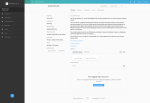
A single project
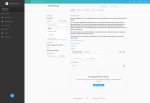
Selecting a purpose for a given project
Mathew Carroll, Immuta’s CEO, explained in an interview that the company aims to provide transparency and accountability. Their target customer base is those companies in the midst of adopting machine learning. This primarily excludes companies that lack the technology or those possessing their own internal full-stack machine learning infrastructure, such as Facebook and Google.

Founded in 2014, the College Park, Maryland-based startup has grown to 24 employees. It counts General Electric and Orange among its early private sector clients. Immuta also serves public sector clients, including the U.S. Government.
Data governance startups are experiencing a surge in popularity due to recent developments with the European Union’s General Data Protection Regulation (GDPR). Data is becoming less of a free-for-all, and companies are increasingly expected to ensure its use is restricted to specific purposes. Immuta’s solution addresses this critical need, offering businesses a way to ensure data compliance.
Immuta users can now benefit from a virtual Hadoop Distributed File System (HDFS) Layer for distributed batch processing without compromising control. Future Immuta versions will adapt to evolving policies and regulations, introducing new features for further automating data governance.